Uncovering How Digital Wallets Sync with Fairness Checks in Quebec Mobile Poker and Slot Ecosystems
Cameron Albrecht · Oct 12, 2026
Uncovering How Digital Wallets Sync with Fairness Checks in Quebec Mobile Poker and Slot Ecosystems
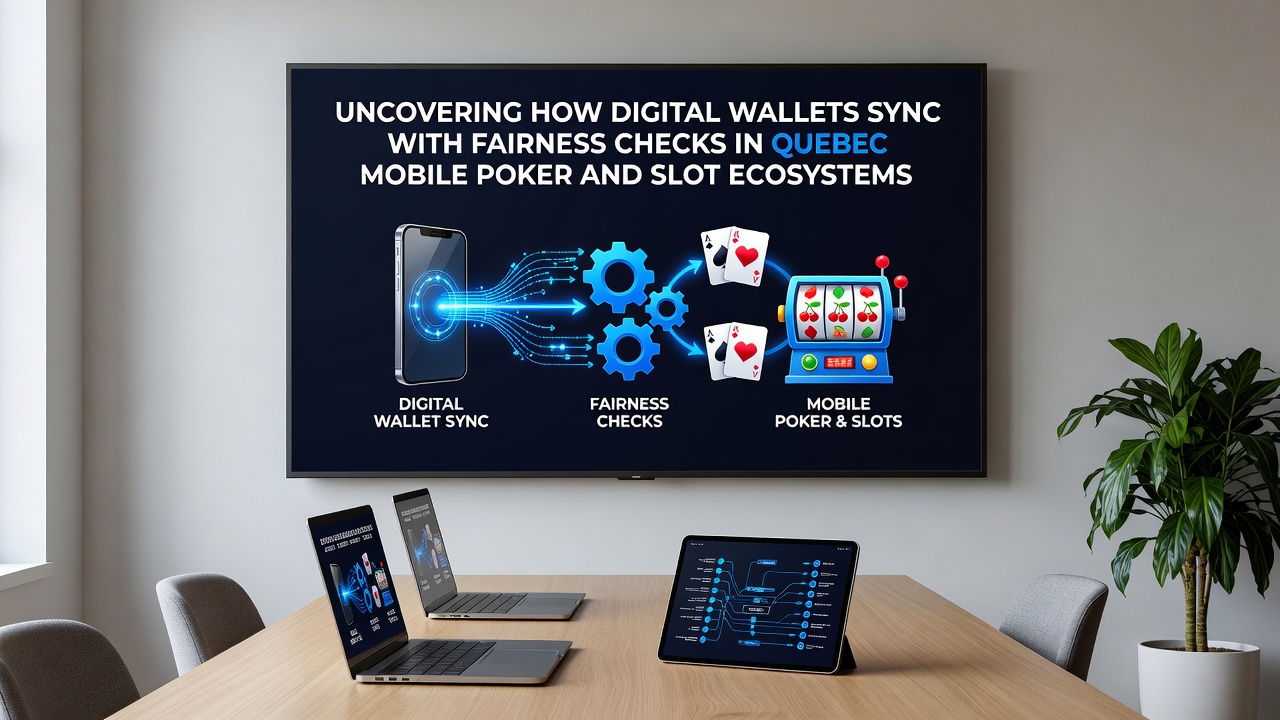
Digital wallets have become central to Quebec's mobile poker and slot platforms, where they handle deposits, withdrawals, and transaction tracking while connecting directly to fairness verification systems. These connections allow platforms to monitor bet integrity alongside payment flows, and in October 2026 regulators noted expanded use of automated reconciliation tools across licensed operators. The process involves linking wallet APIs with random number generator certifications and audit logs, which creates a continuous data stream that regulators and operators review for compliance.
Digital Wallet Integration in Mobile Gaming Platforms
Operators in Quebec rely on services such as Interac e-Transfer and certain prepaid card systems to move funds into poker rooms and slot applications, and these services feed transaction timestamps, amounts, and user identifiers into centralized monitoring dashboards. Researchers at provincial oversight bodies have documented how wallet data merges with game server outputs, enabling cross-checks that flag discrepancies between wagered sums and recorded outcomes. One study from a Canadian research institution revealed that integration points typically occur at the session start and end, where wallet balances are compared against game history to confirm that no external alterations occurred during play.
Platforms maintain separate ledgers for financial movements and game results, yet synchronization protocols merge these records every few minutes during active sessions. This setup supports real-time alerts when wallet activity diverges from expected patterns tied to certified game mechanics. Data from October 2026 showed increased adoption of encrypted channels between wallet providers and game engines, which reduced latency in fairness reporting without altering core payment speeds.
Fairness Verification Processes and Regulatory Standards
Fairness checks in Quebec mobile ecosystems focus on certifying that poker shuffles and slot reels produce outcomes according to approved algorithms, and wallet synchronization adds a layer that ties those outcomes to actual fund movements. The Régie des alcools, des courses et des jeux oversees these certifications through periodic third-party testing, while operators submit combined reports that include both game logs and wallet trails. Observers note that this dual tracking helps identify instances where technical glitches might affect either payments or game fairness, allowing quicker isolation of issues.
Provincial guidelines require that any wallet transaction exceeding a set threshold triggers an automatic review against the corresponding game round data. This requirement stems from earlier frameworks that emphasized transparency in both financial and probabilistic elements of online play. In practice, the system generates daily reconciliation files that list every wallet entry alongside its linked game event, and these files undergo sampling audits by independent laboratories.
Technical Synchronization Mechanisms
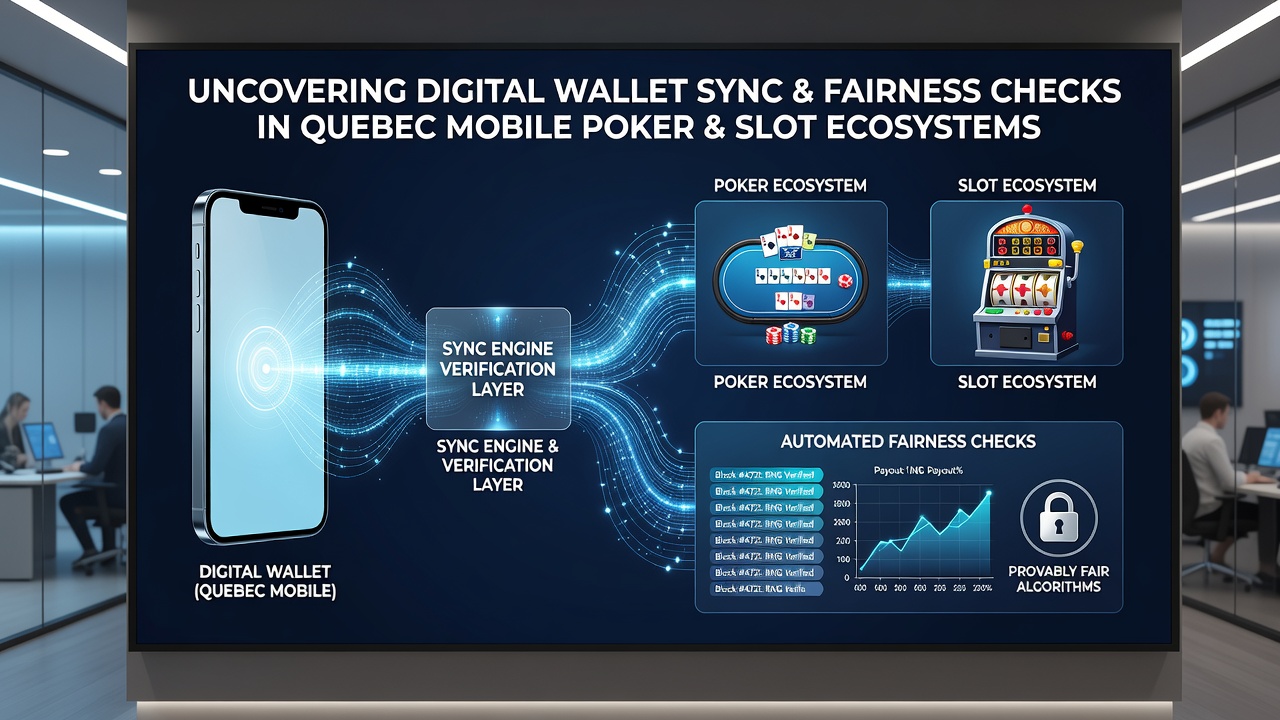
Synchronization relies on standardized APIs that push wallet events into fairness engines, where algorithms compare expected versus actual fund changes against certified payout percentages. Engineers design these connections to operate in encrypted environments that preserve user privacy while permitting regulatory access during audits. A report from an international gaming technology consortium indicated that Quebec operators achieved sub-second matching times between wallet debits and game outcome records by late 2026.
Developers implement event-driven architectures that treat each bet placement as a paired record containing both wallet metadata and game seed values. When a discrepancy appears, the system pauses further activity on that account until manual review clears the entry. This approach has been applied across multiple mobile poker variants and slot titles, with logs archived for at least seven years to meet retention rules.
Implementation Examples and October 2026 Updates
One operator introduced an enhanced matching module in early 2026 that aligned wallet settlement times with fairness certification renewals, resulting in streamlined reporting cycles for both poker tournaments and slot progressives. Another platform adjusted its API endpoints after October 2026 regulatory feedback to include additional checksum fields that verify data integrity between the two systems. These adjustments followed patterns seen in other Canadian jurisdictions where similar wallet-to-fairness linkages had already been deployed.
Industry associations have published technical briefs describing how checksum validation and timestamp synchronization reduce the window for potential manipulation attempts. The briefs highlight that Quebec's mobile ecosystem benefits from these measures because most users access games through a limited set of approved wallet providers, which simplifies the mapping of financial events to game fairness data.
Conclusion
The synchronization of digital wallets with fairness checks in Quebec mobile poker and slot environments operates through layered APIs, certified algorithms, and regulatory reporting requirements that together maintain consistent oversight of both financial and game integrity elements. October 2026 data reflected continued refinement of these connections, with operators and regulators adapting protocols to handle growing transaction volumes. The resulting framework supports ongoing compliance while preserving the operational flow of mobile gaming services across the province.